„The Future of International Relations: Political and Economic Trends“

Veranstaltung 21. November 2025

Wochenend-Seminar in Goslar, 21.–23. November 2025
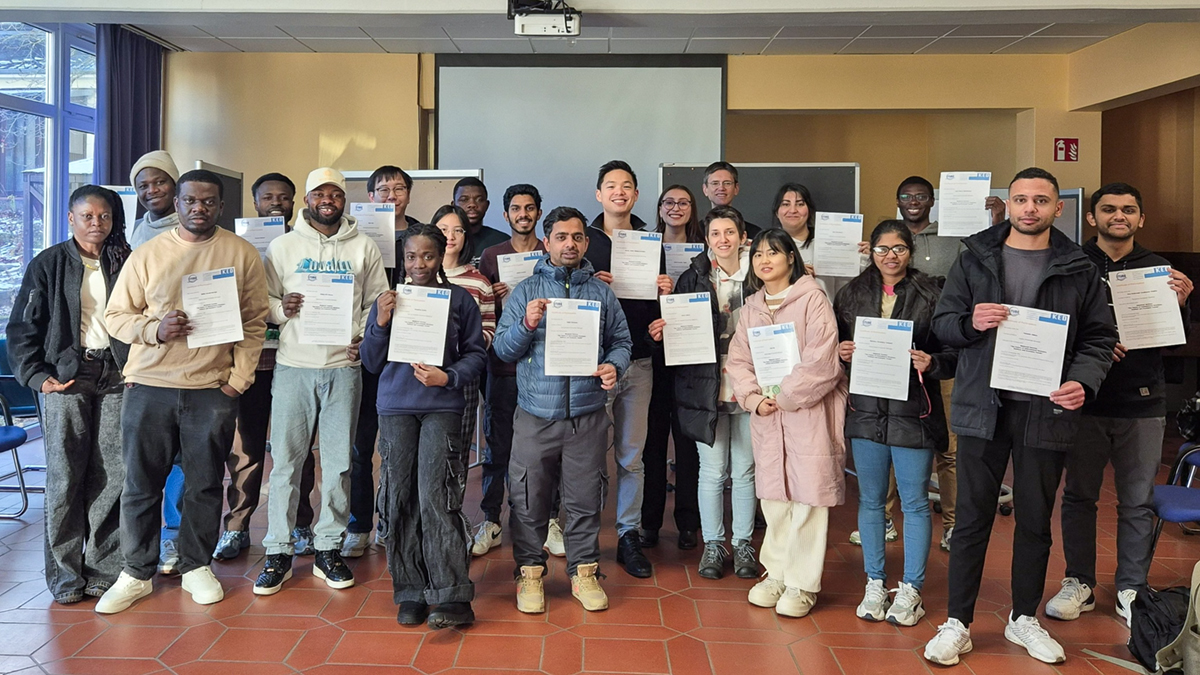
I spent an enriching weekend attending the seminar „The Future of International Relations: Political and Economic Trends“, organized by STUBE Niedersachsen, from 21 to 23 November 2025 in Goslar. The event gathered international students from various academic and cultural backgrounds and created a warm and inspiring learning atmosphere.

Arrival and Welcome
Although I arrived later than planned on Friday evening, I was warmly welcomed by Andreas Kurschat, the programme manager and main facilitator. The team had kindly saved dinner for me, which helped me join the seminar without stress. Throughout the weekend, Andreas provided continuous support, including help with dietary needs, local recommendations and general guidance. His hospitality and friendliness shaped the positive tone of the entire seminar.
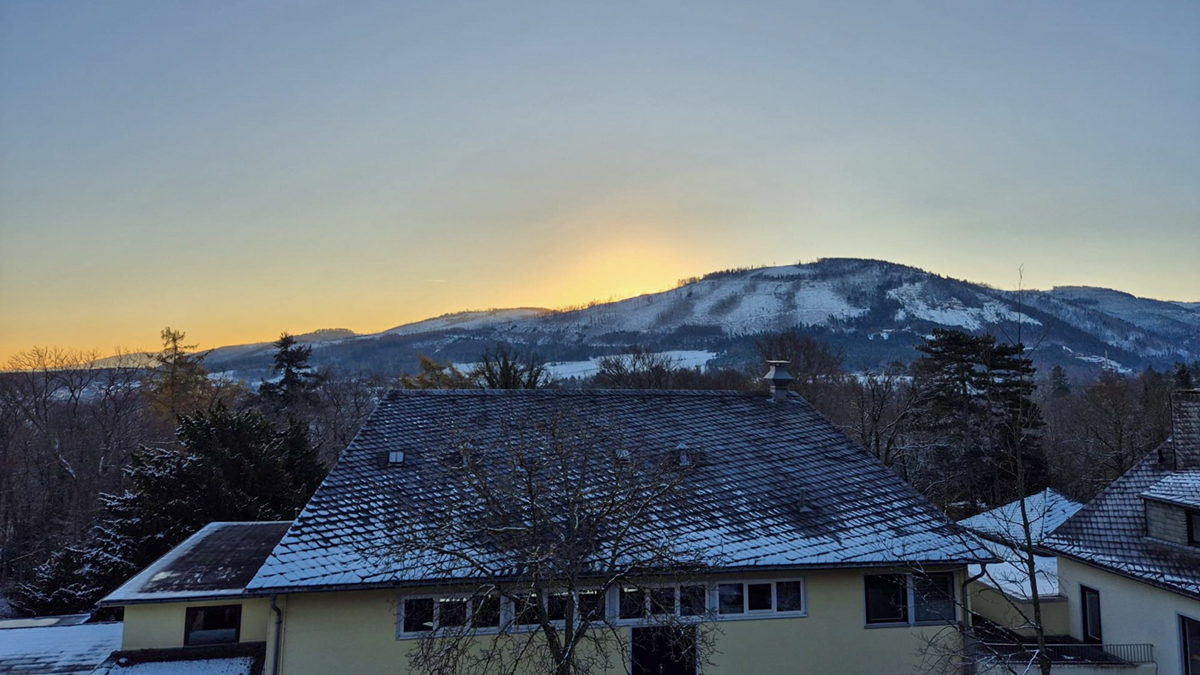
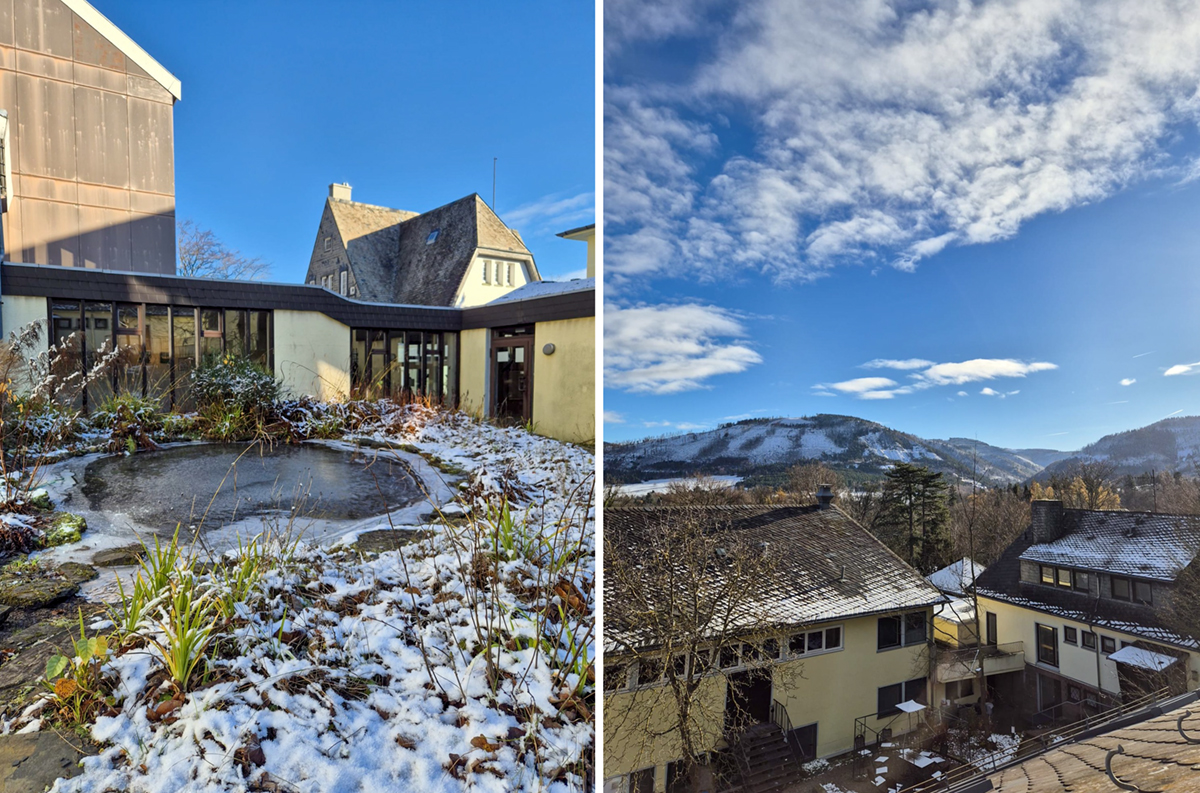
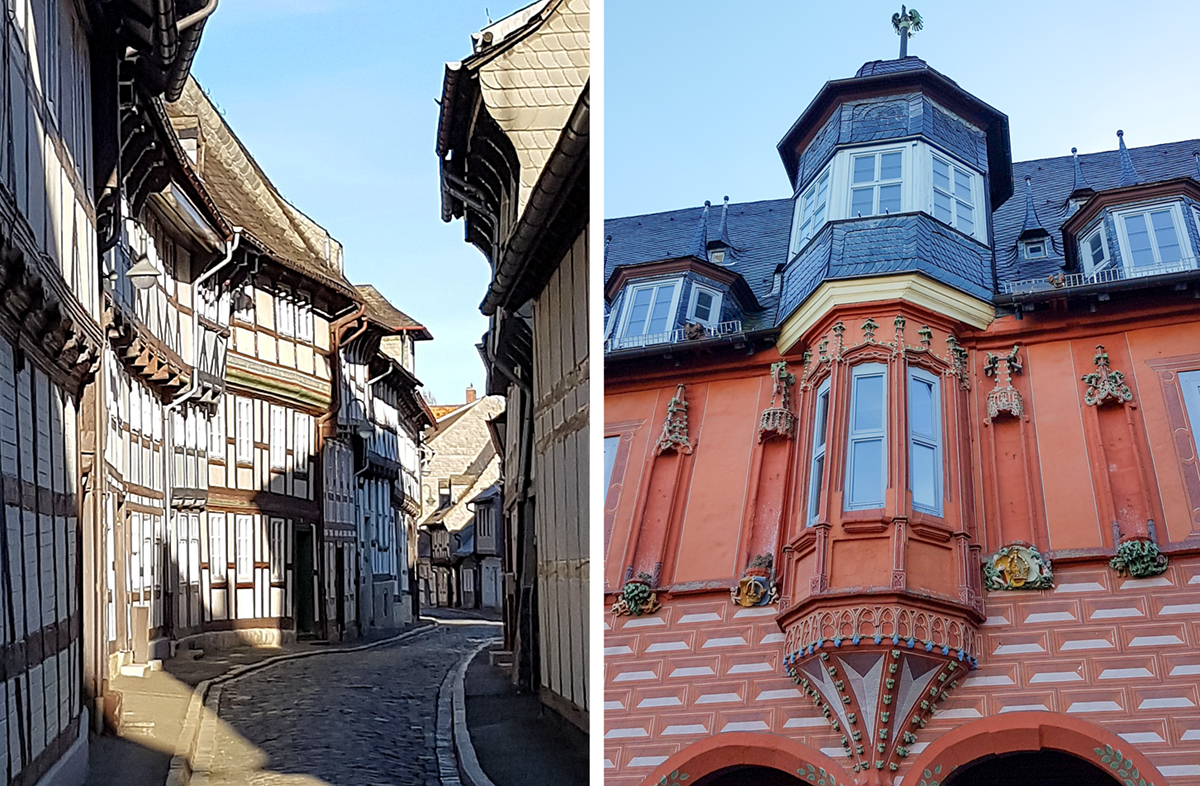
The venue, Bildungshaus Zeppelin & Steinberg in Goslar, was a beautiful setting surrounded by snowy hills. Goslar is a UNESCO World Heritage Site with a long history as a mining region, which added a special historical charm to the weekend.

Part I
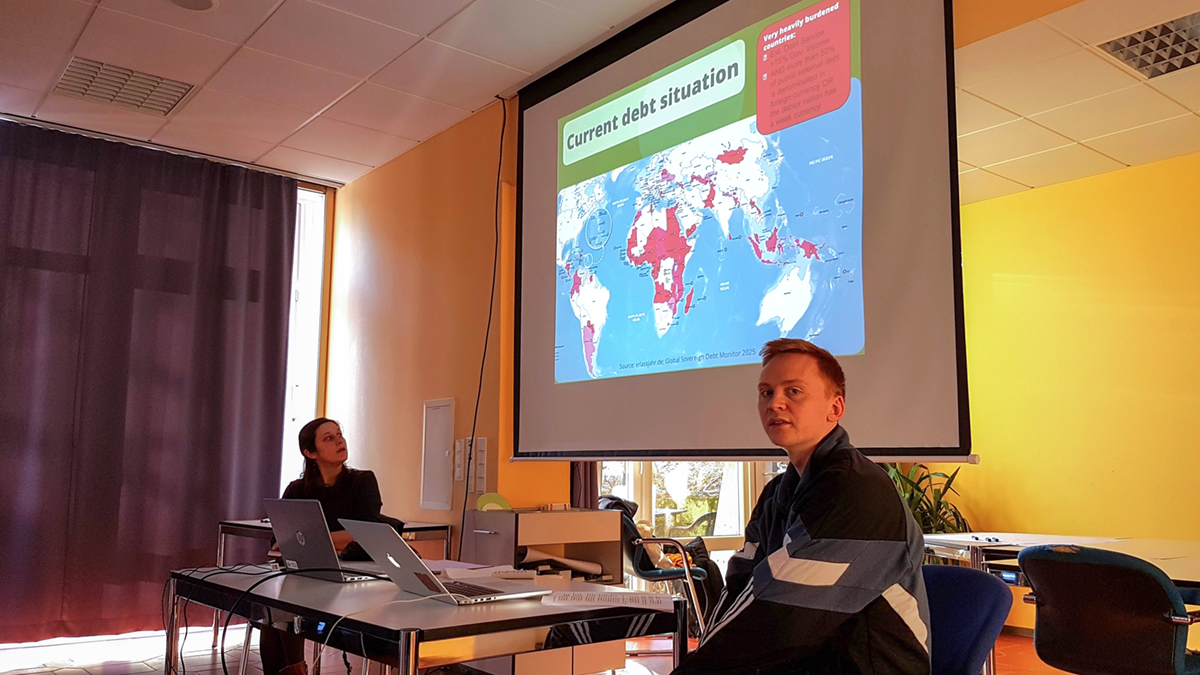
The first major seminar block was delivered by Malina Stutz and Lukas Braun from erlassjahr.de – Entwicklung braucht Entschuldung e.V. Their sessions focused entirely on global economic structures and the international debt system. The topics included:

  • the foundations of international financial architecture
  • credit based relations between states
  • sovereign debt crises and their developmental consequences
  • a case for a United Nations framework convention on debt and current international discussions.

These topics were new to me, but the explanations were clear, interactive and engaging. Lukas and Malina presented complex issues in a way that was easy to follow. I learned how debt affects development, why some countries seek debt restructuring or forgiveness and how financial inequality shapes global political influence.
Activities during this block included:

  • identifying countries, NGOs or international actors from selected quotations
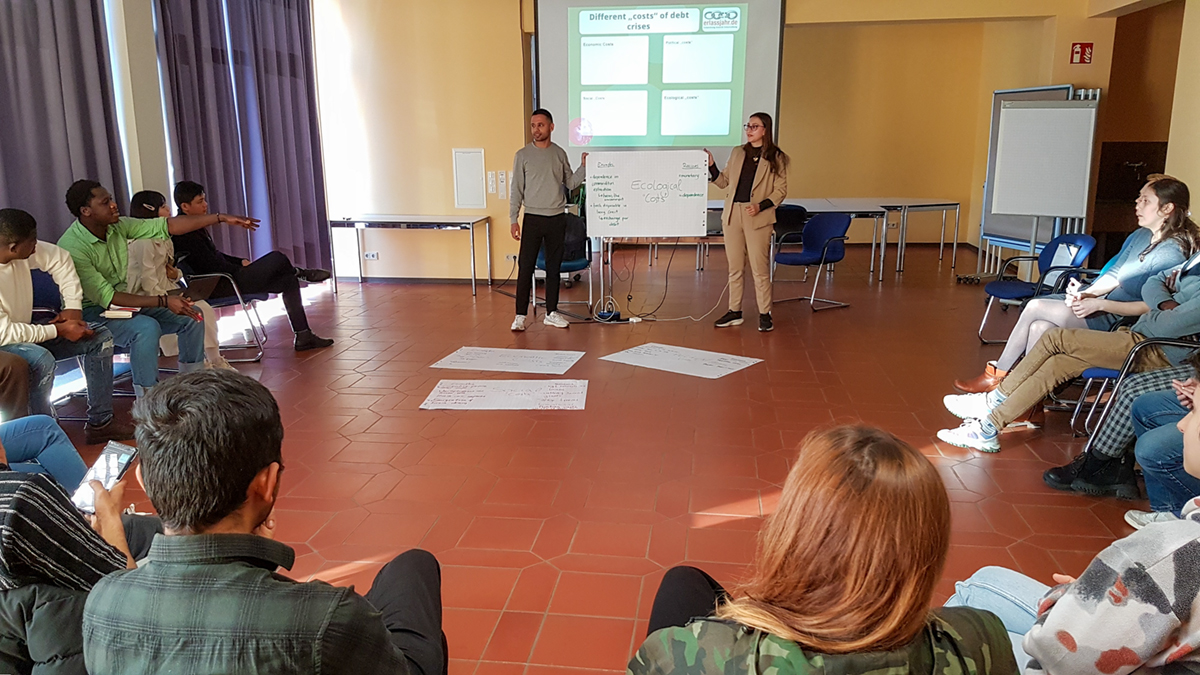
  • a group exercise on different costs of debt crises
  • a movement-based debate where we positioned ourselves in the room based on our personal opinions about debt and whether forgiveness is justified.

The discussions also highlighted how countries with limited financial resources struggle to make their voices heard internationally. I enjoyed hearing different perspectives from other participants, which made the learning experience even richer.

Part II
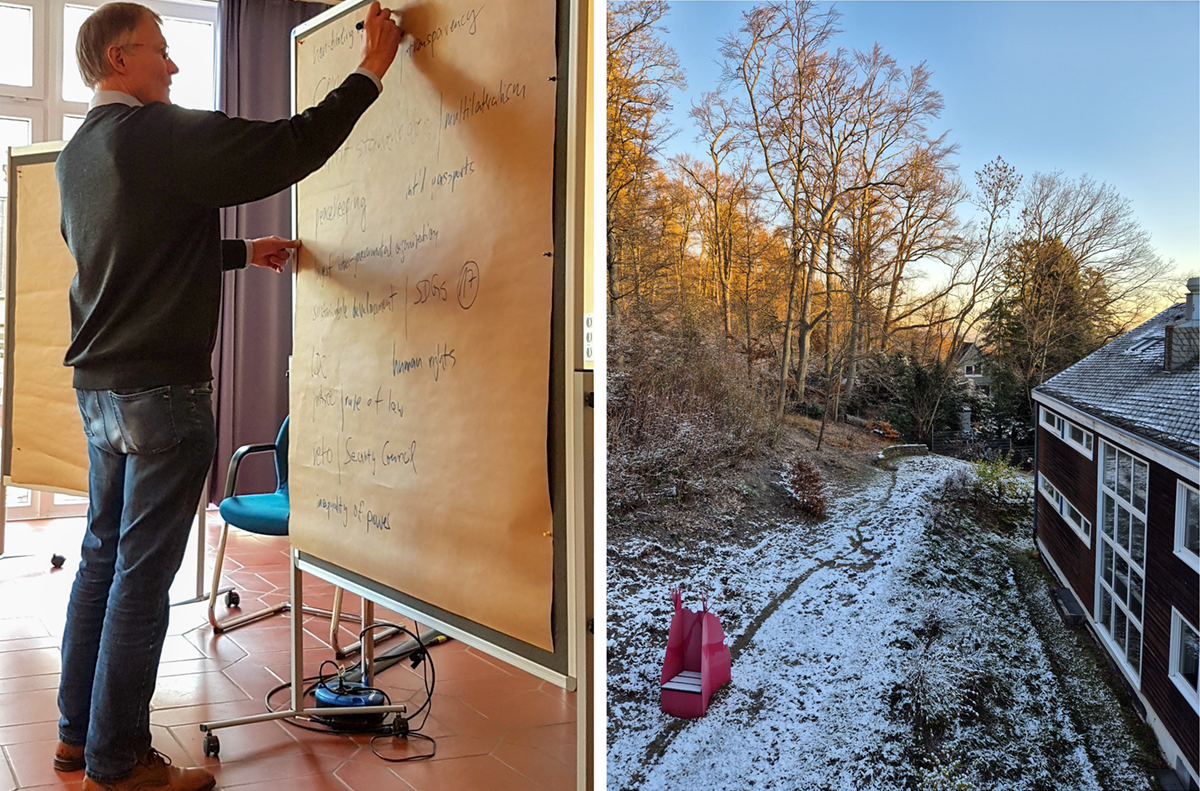
The second major seminar block was led by Dr. Ekkehard Griep from Deutsche Gesellschaft für die Vereinten Nationen e.V., who introduced us to the structure and functioning of the United Nations. He explained how multilateral diplomacy operates in practice, how different UN organs interact and how decisions are negotiated among member states.

Dr. Griep also presented real case studies that showed how the UN responds to conflicts, how peacekeeping missions are organized and what challenges the UN faces in managing crises. His teaching combined theory with practical examples, which helped me understand how international diplomacy works on a daily basis. This seminar block included a group exercise on peacebuilding priorities before conflict, right after conflict and during long term reconstruction.

A special highlight was the extended question and answer session. Dr. Griep shared valuable insights about career opportunities at the UN, recruitment processes, necessary qualifications and the daily responsibilities of UN staff. This session was extremely inspiring for me and offered rare, practical guidance that I truly appreciated.

Food, Accommodation and Overall Atmosphere
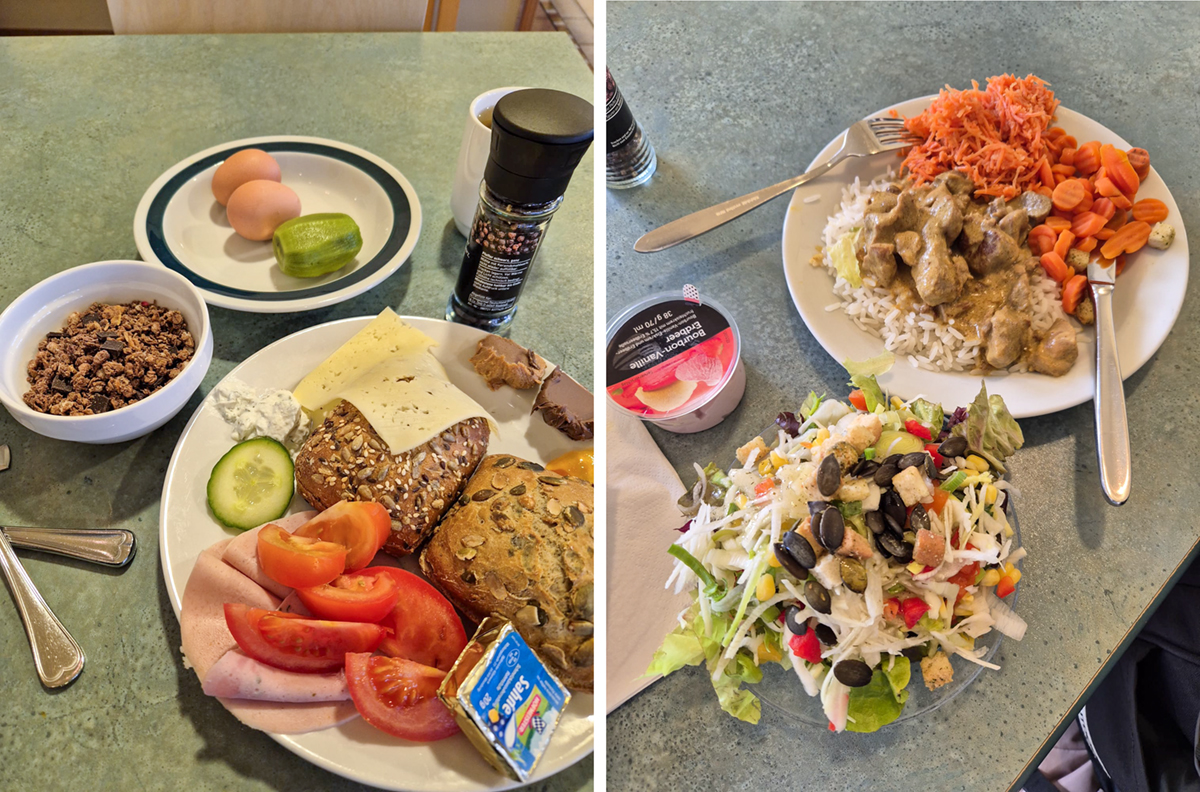
STUBE provided delicious meals throughout the weekend with a different menu each day and even a traditional German style breakfast buffet. The seminar rooms were clean, warm and spacious. The bright blue sky and sunlight made the snowy surroundings even more beautiful. Although the temperature was freezing, the weather created a peaceful and memorable atmosphere during the entire event. They even have a game room where participants can play games, relax and get to know one another after a long day of seminar.

Final Day
On the last day, we joined a guided city tour of Goslar, led by Dr. Kay Brummer. Learning about the long history of the city was fascinating. Goslar developed through several phases, from periods of poverty to strong economic influence during the height of its mining industry. People originally settled there because of the rich ore deposits, which shaped the city for centuries.

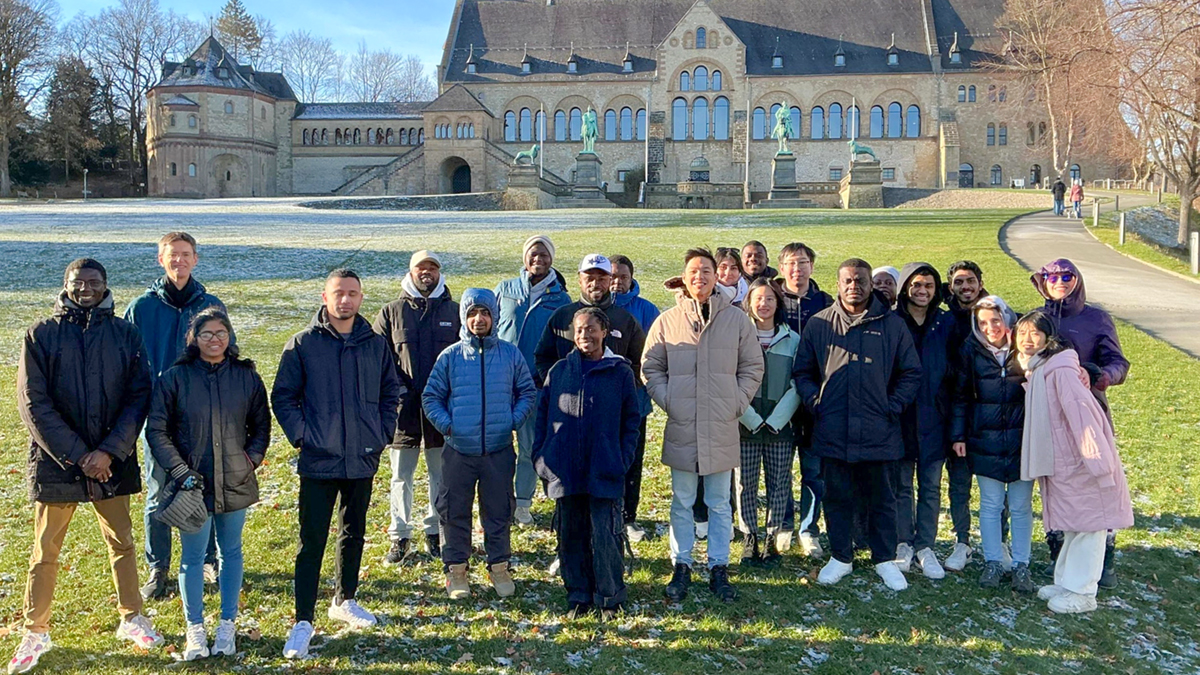
During the tour, I visited the impressive Imperial Palace, walked through the old town with its unique architecture and even saw the historic Siemens family house. The combination of bright sunshine, blue skies and the cold winter air made the walk unforgettable. It was a perfect conclusion to the seminar.

Conclusion
The seminar was extremely well organized, intellectually stimulating and personally motivating. I gained important knowledge about global finance, diplomacy and the structure of international institutions. I also connected with many like-minded participants and enjoyed the open and welcoming atmosphere created by STUBE.

I would like to express my sincere gratitude to Andreas and the entire STUBE Niedersachsen team for organizing such a meaningful and memorable event. I truly had a wonderful time and look forward to future seminars.

Dexter Keefe Widjojoatmodjo