“Cities of the Future between the Poles of Climate Change and Sustainability – Hamburg’s Urban Development in a Global Context”

Veranstaltung 21. September 2026

Holiday Academy in Hamburg, 21–25 September 2026
What do a former World War II bunker, a historic warehouse district, a renewable energy facility, a new science neighbourhood and one of Europe’s largest urban redevelopment projects have in common?

At first glance, probably not much. But during the STUBE Holiday Academy in Hamburg from 21 to 25 September 2026, I discovered that all of these places tell different parts of the same story: how cities can transform themselves while responding to climate change, sustainability and the needs of the people who live in them.

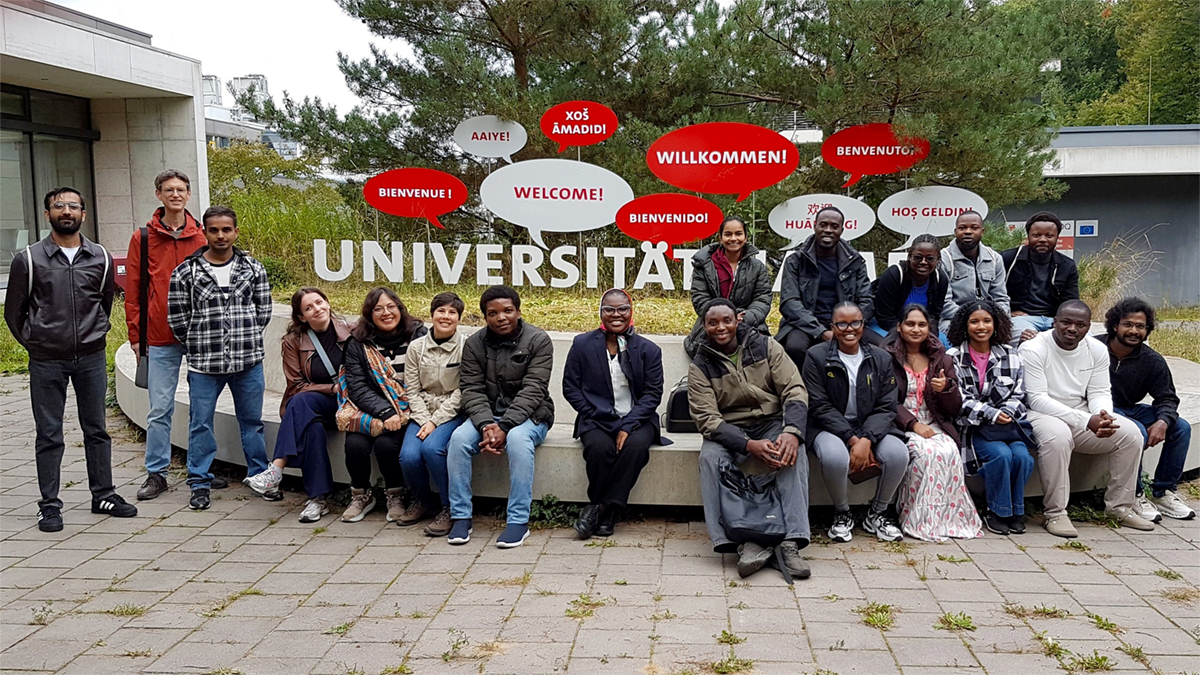
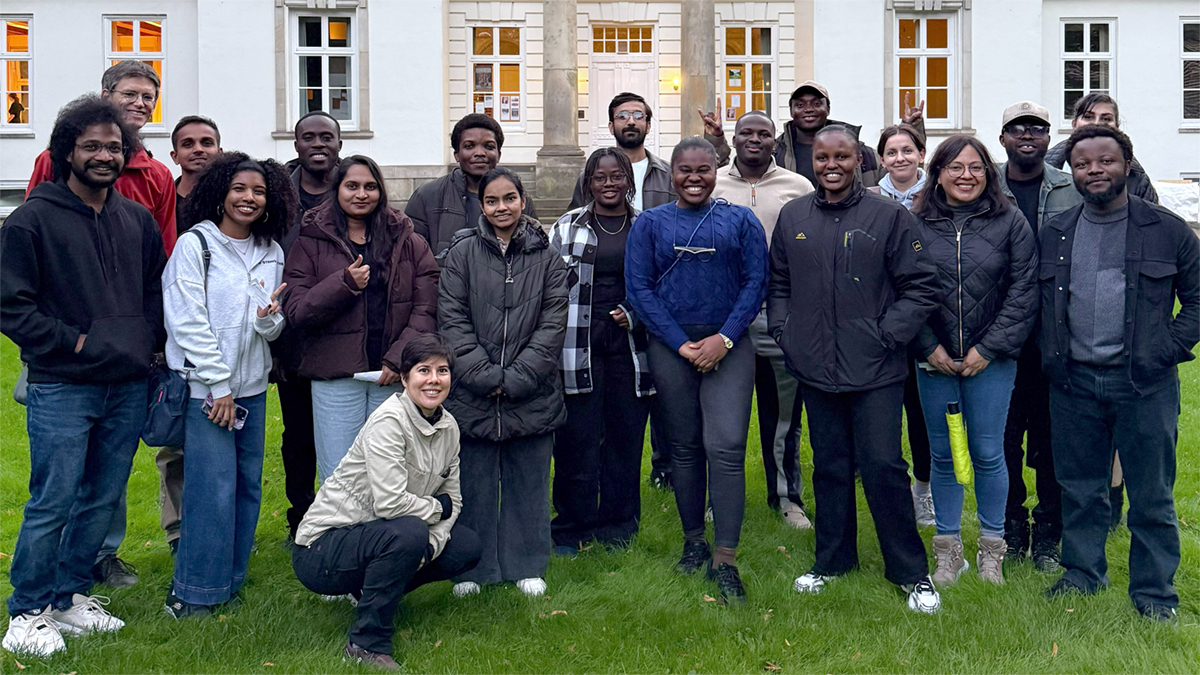
The academy was organised by STUBE Niedersachsen and STUBE Bayern and brought together students from different backgrounds and parts of Germany. For five days, Hamburg became our classroom as we explored the city, discussed global perspectives on sustainable urban development and learned from different projects and initiatives.
Our home for the week was the Akademie für Internationale Ökumene at Universität Hamburg in Rupertistraße. Staying together in the same place made it easy to meet the other participants, exchange ideas beyond the official programme and gradually become a close group. From the very first day, it felt less like simply attending a seminar and more like sharing an experience with people who were curious about the same questions: What will our cities look like in the future? How can they become more sustainable? And how can these changes work for people with very different needs and circumstances?

And Hamburg turned out to be the perfect place to explore these questions.

Discovering Hamburg’s history and environmental challenges
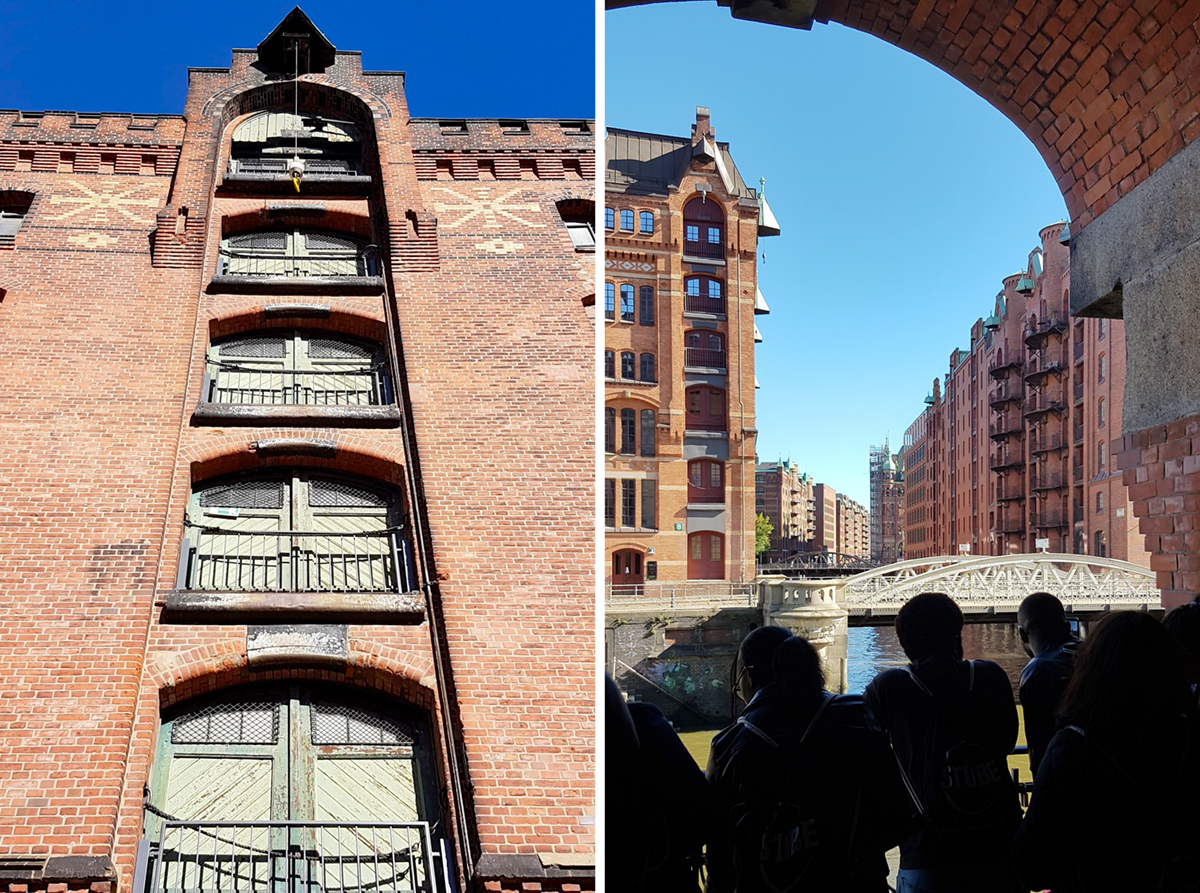
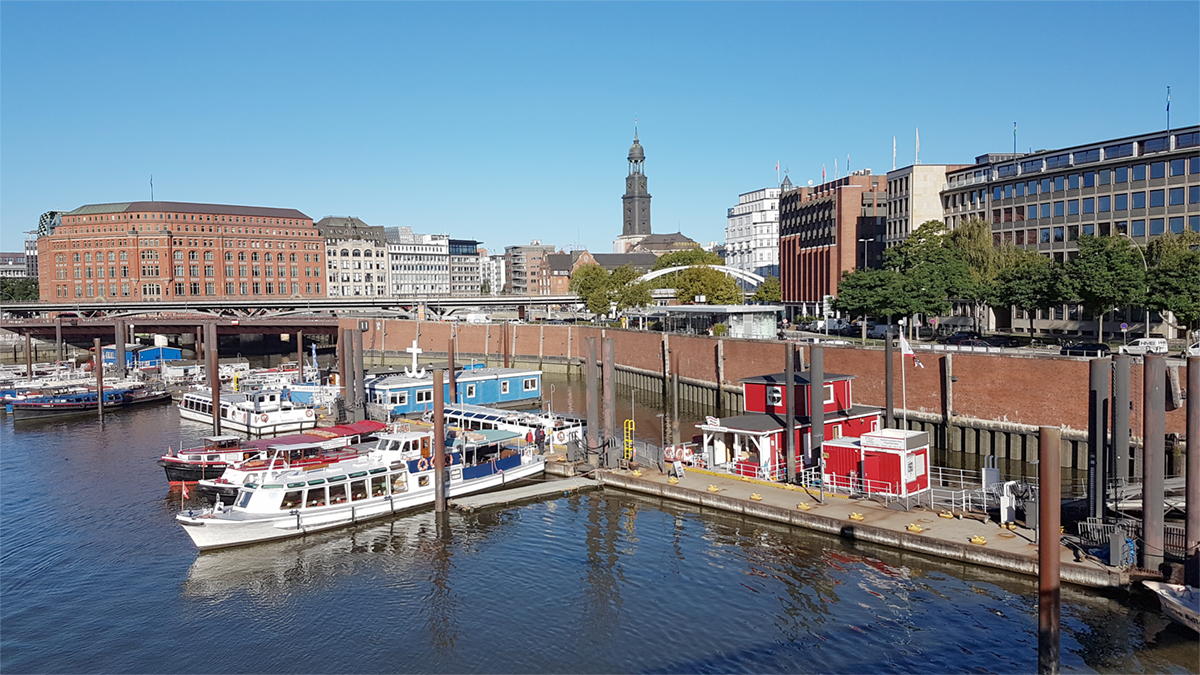
Our first full day took us through some very different sides of Hamburg. After breakfast, we headed to the Speicherstadt, the city’s historic warehouse district, which developed in connection with Hamburg’s port and international trade.

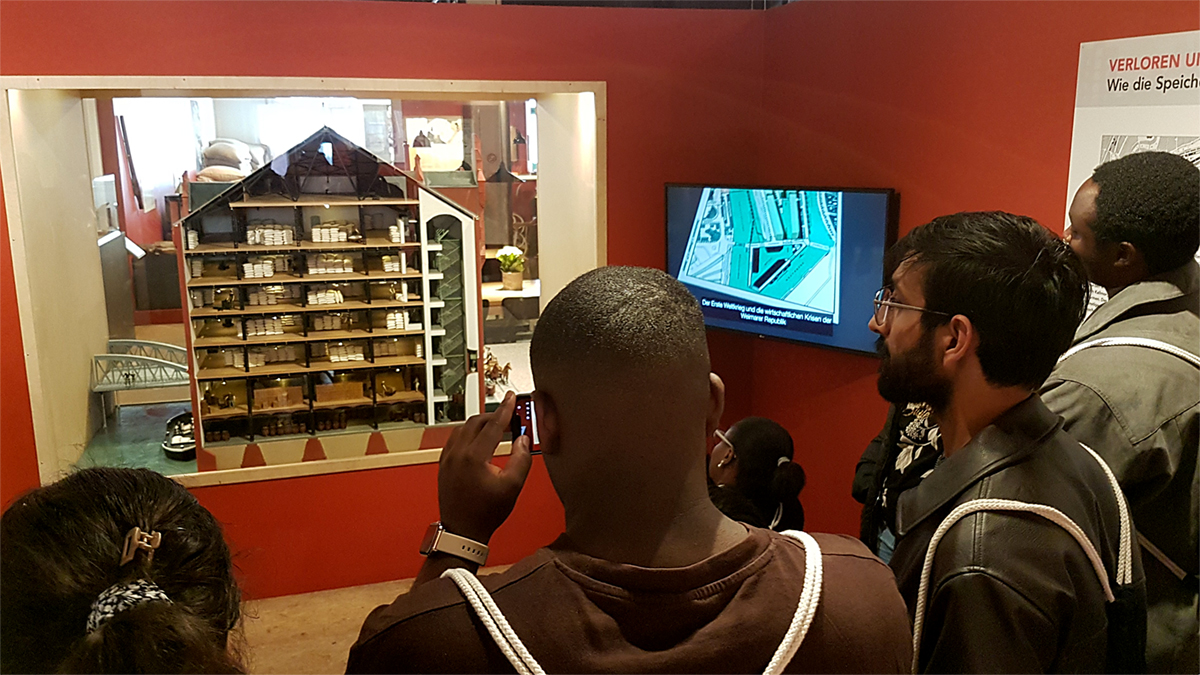
One of the first things we learned was about the Zollanschluss of 1888. Until then, Hamburg was not part of the German customs territory, which meant that merchants could store imported goods in the city without paying customs duties. Walking through the old warehouses while learning about this history made it easier to understand how strongly Hamburg’s development has always been connected to trade, the port and international economic relations.

After the tour and a museum visit, we had lunch in the city before continuing with two very different perspectives on environmental issues.

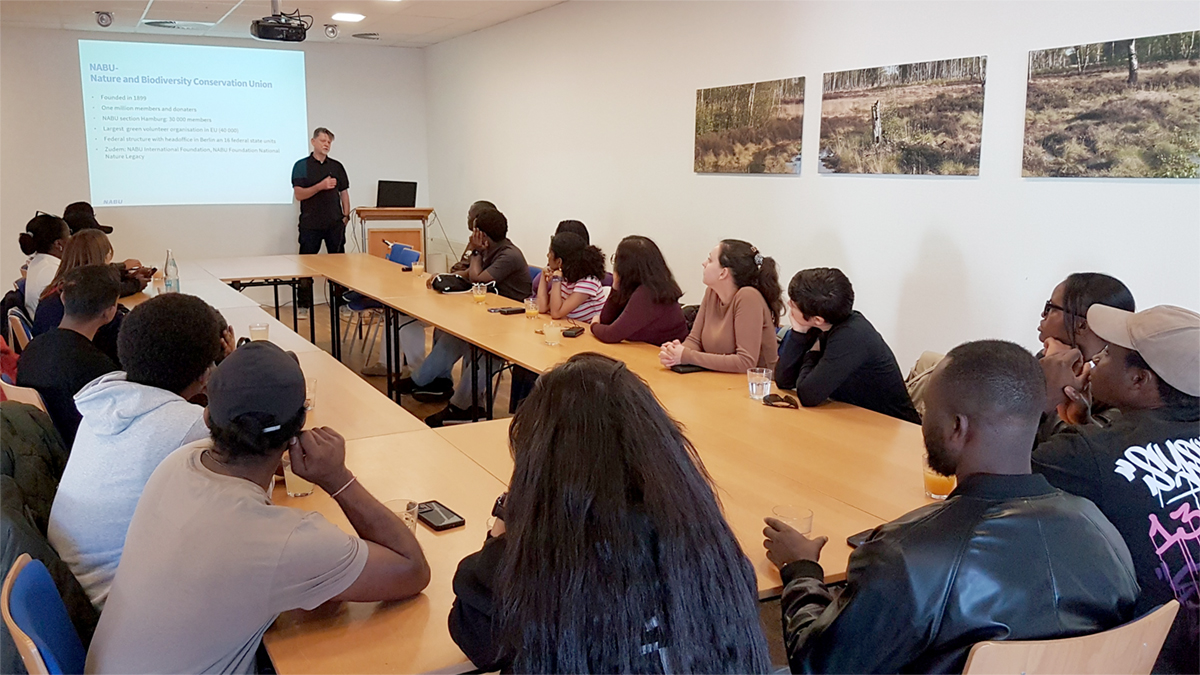
At NABU, the Nature and Biodiversity Conservation Union, we learned about some of the environmental challenges connected to Hamburg’s development. Topics included the deepening of the River Elbe, spatial planning, infrastructure, air quality, shipping and logistics, as well as the effects of these developments on nature and the Wadden Sea, a UNESCO World Natural Heritage site.

What I found particularly interesting was that sustainable development is not simply about choosing one side over another. Cities still need infrastructure, jobs, transportation and economic activity, but the question is how these can be organised while reducing environmental damage and protecting nature.

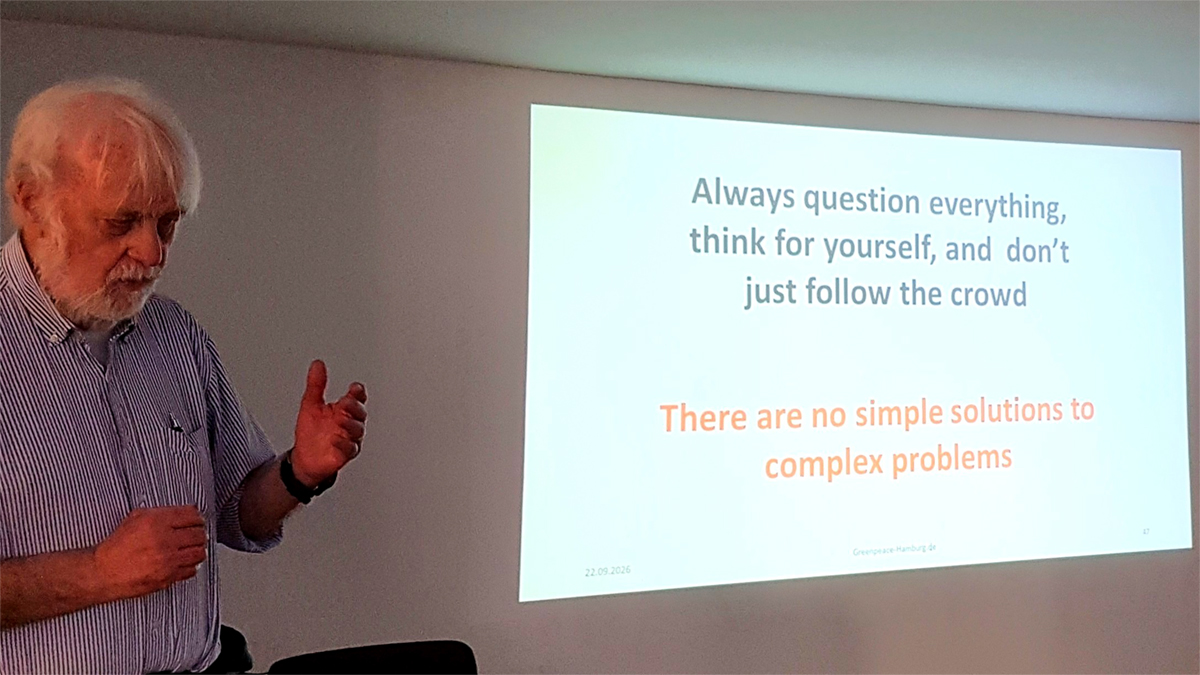
Later, we visited St. Jacobi Church, one of Hamburg’s historic main churches, where we met representatives of Greenpeace. We learned about their work on climate change, biodiversity, oceans and sustainable mobility, as well as Greenpeace’s long connection with Hamburg.

One story that particularly stayed with me was that of the Rainbow Warrior. In 1985, the Greenpeace ship was bombed in Auckland while preparing to protest French nuclear testing in the Pacific. The attack, carried out by agents of the French secret service, sank the ship and killed photographer Fernando Pereira. Learning about this history gave a human dimension to the environmental activism we were discussing.

We also talked about sustainable urban mobility – In simple terms, how cities can make it possible for people and goods to move efficiently while reducing environmental harm and making transportation accessible to different groups of people.

After that, our official programme was over for the day. The evening was free, which gave us time to explore Hamburg, relax and spend time together.

A day dedicated to the cities of the future
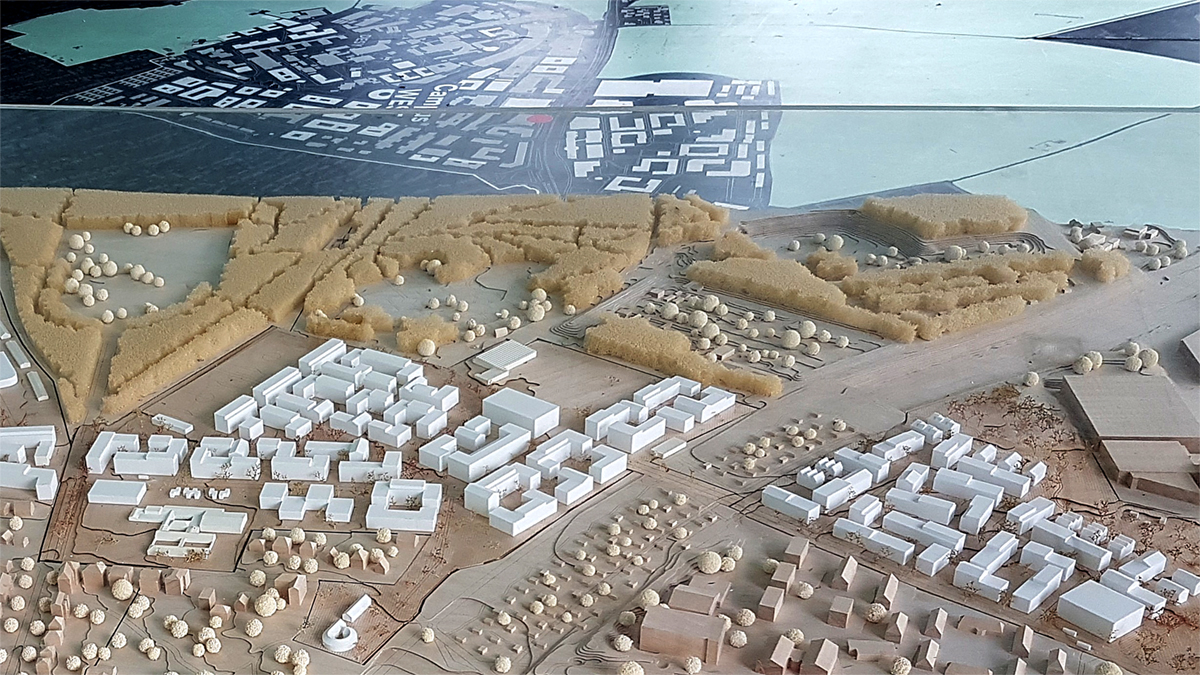
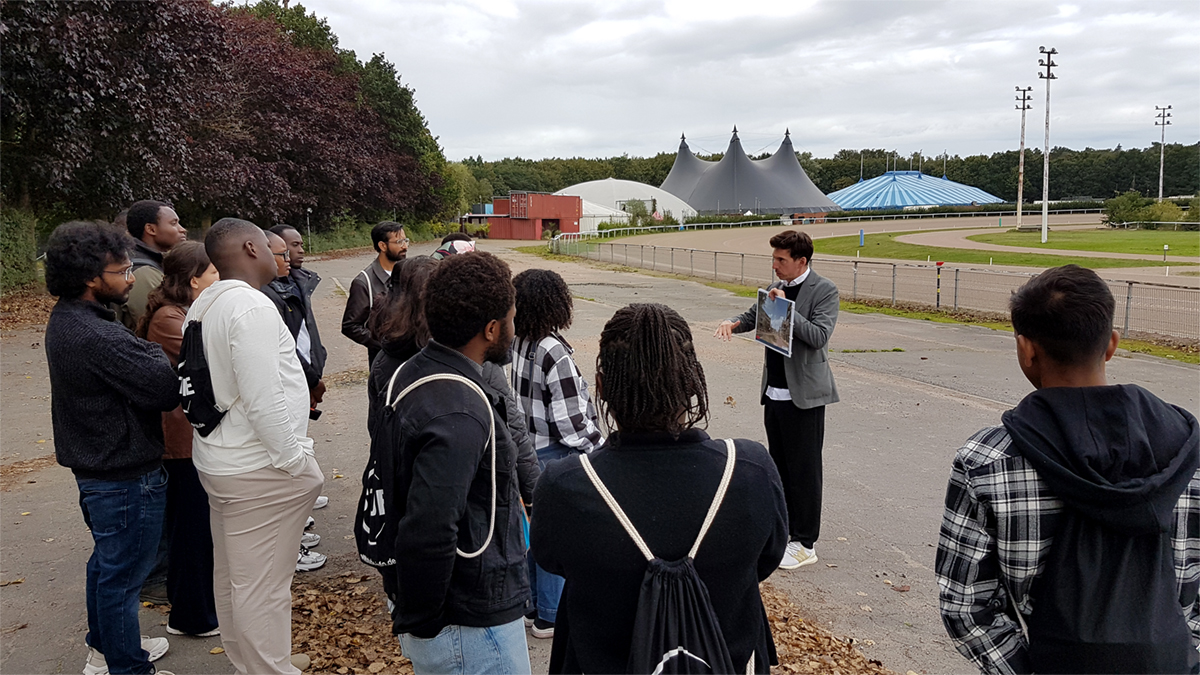
Wednesday was probably one of the busiest and most interesting days of the academy. We started with a visit to Science City Hamburg Bahrenfeld, a large urban development project covering around 125 hectares and connected to DESY and Altonaer Volkspark.

Before visiting, I had not really known what a “Science City” was. During the presentation, however, the idea became much clearer. The project is not simply about creating a research campus. The goal is to combine research, education, housing, businesses, services, green spaces and different forms of mobility within one neighbourhood.

We were shown visualisations and plans of how the area is expected to develop over the coming years, including how existing buildings can be reused and transformed. The idea of a “city of short distances” was particularly interesting: instead of designing neighbourhoods where people have to rely on cars for everything, important parts of everyday life should be reachable by walking, cycling or public transport.

The project will take many years to complete, but seeing the plans and understanding the thinking behind them made the idea of a future city much more concrete for me. It was fascinating to see how Hamburg is already planning for the way people may live, work and move around in the future.

After the visit, we went to a nearby canteen for lunch. Everyone received a €10 voucher, which was more than enough for a full meal, a drink and even a piece of cake. The food was delicious, but just as nice was sitting together afterwards, talking about what we had seen and getting to know each other better.

From a wartime bunker to renewable energy
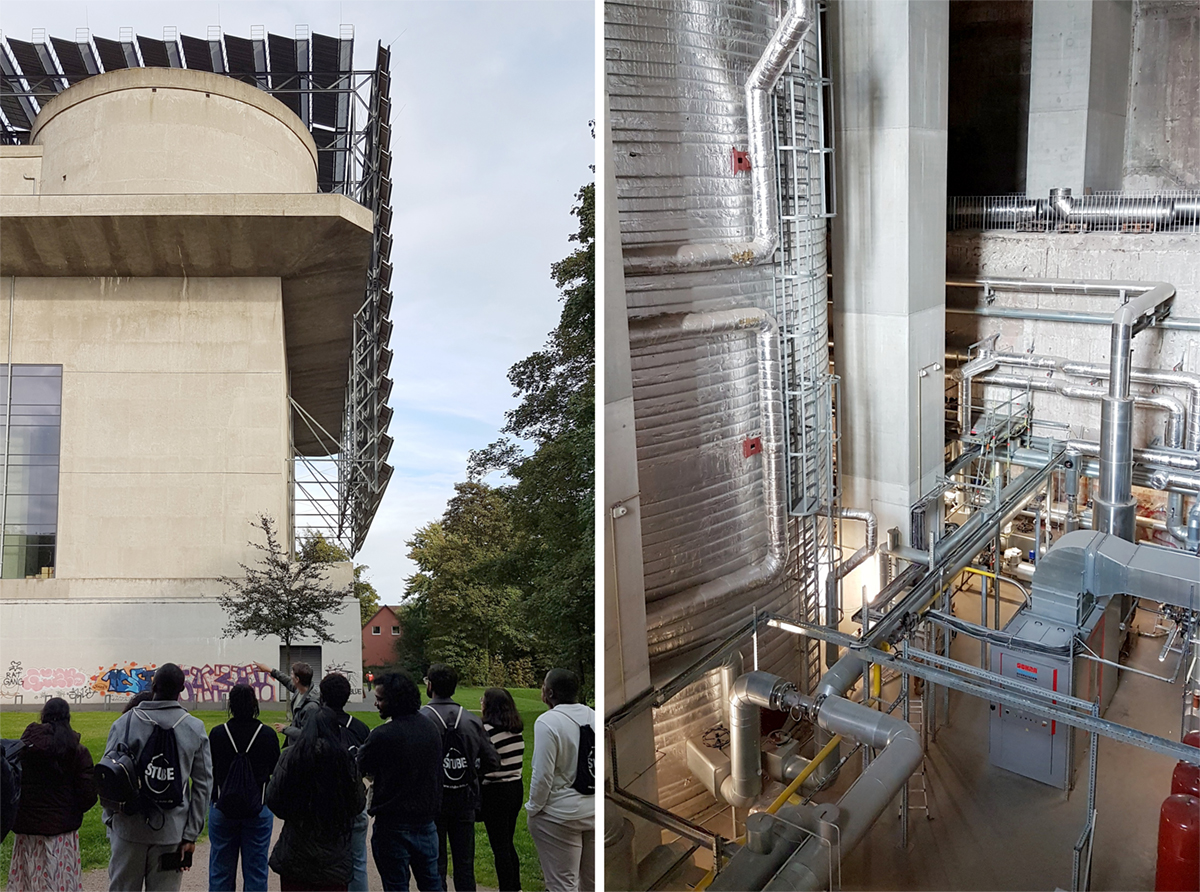
Our next stop was the Energiebunker in Wilhelmsburg, and this was one of my personal highlights.

The building was originally constructed as a large World War II anti-aircraft bunker. Instead of demolishing it, the structure was transformed into a modern energy facility. Today, it produces renewable energy and stores heat for the surrounding area.

We learned that the system can provide heat for around 3,000 households and electricity for around 1,000 households, with estimated annual CO₂ savings of almost 7,000 tonnes. Different energy sources are used, including solar thermal energy, solar photovoltaic systems, waste heat and biomass, with natural gas used as a supplementary source.

What interested me most was the idea of adaptive reuse: taking an existing building and giving it a completely new purpose. The bunker is still part of Hamburg’s history, but it has also become part of the city’s energy transition.

We were able to go inside, see how the facility works and learn more about the technology. We also took the lift to the top, where we had an amazing view over Hamburg. It was a great example of how history, architecture, technology and sustainability can come together in one place.

HafenCity – a city preparing for the future
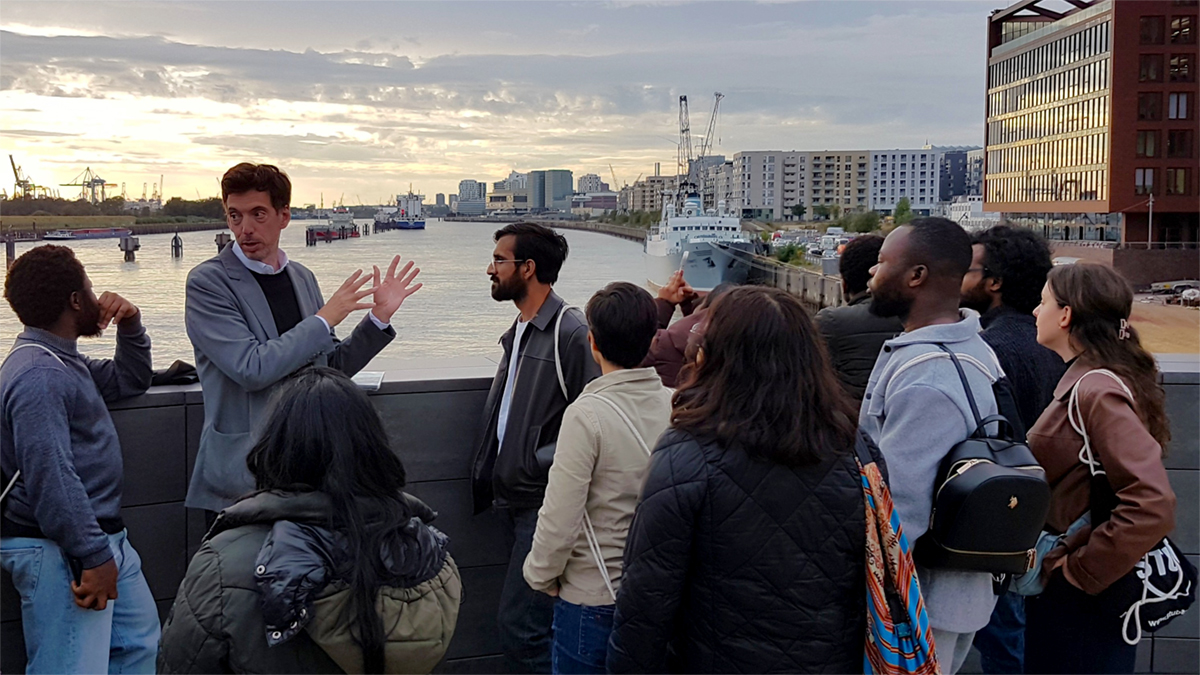
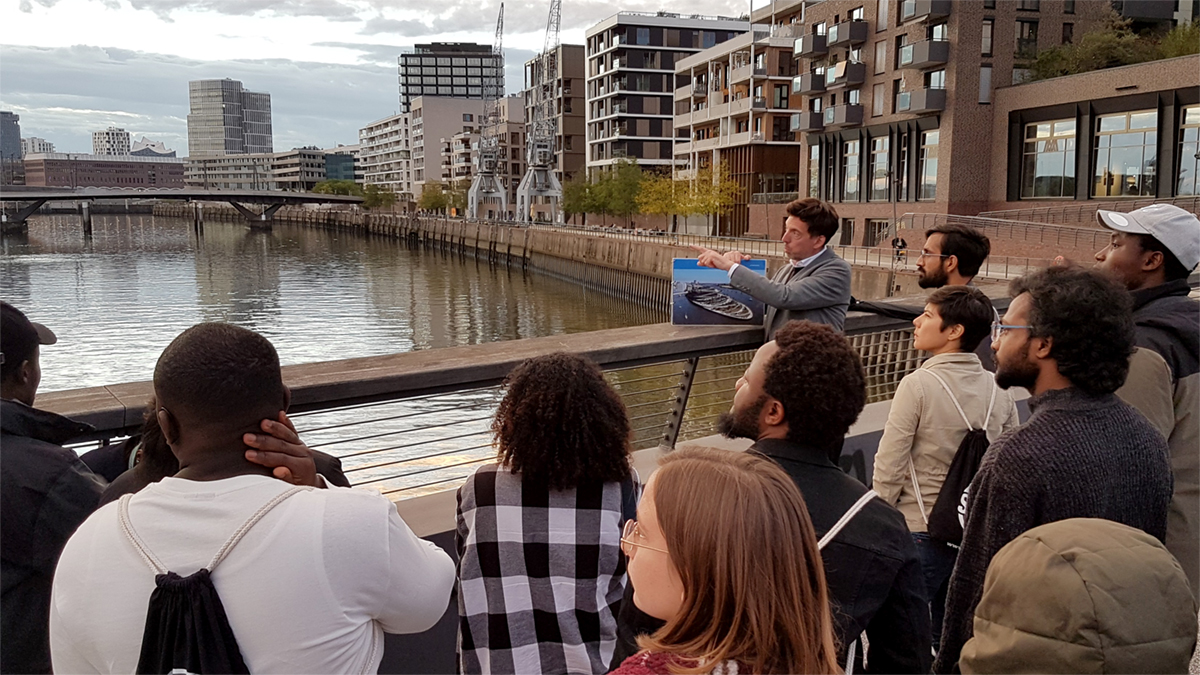
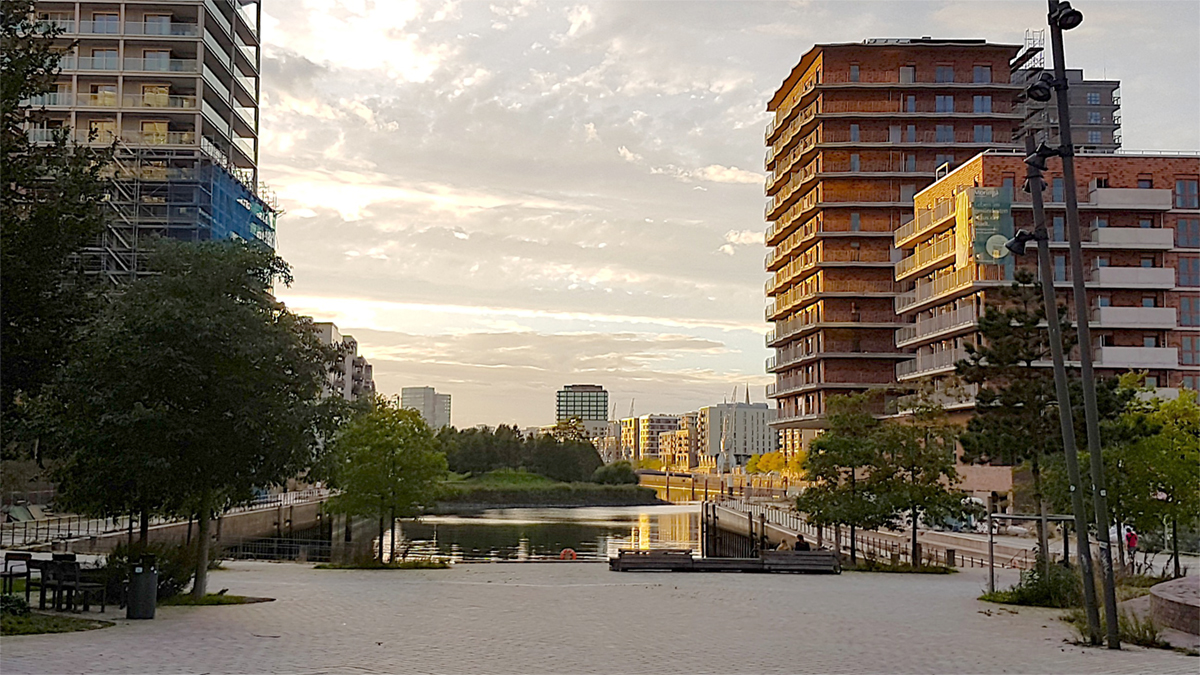
Our final stop that day was HafenCity, one of Europe’s largest urban redevelopment projects. The area is being transformed from former port and industrial land into a mixed-use urban district with housing, offices, education, culture, shops, public spaces and green areas.

As we walked through HafenCity, we learned that the development is not only about creating new buildings. Because the district lies directly beside the River Elbe, flood protection and climate adaptation are also important parts of the planning.

We saw different types of buildings and housing and talked about the people involved in shaping the area. It made me think about how complicated urban planning actually is. A future city has to consider not only what looks modern or attractive, but also questions such as who can live there, how people move around, how buildings can withstand climate risks and how public spaces can be designed for different needs.

By the end of the day, we were exhausted. Wednesday had involved a lot of walking, travelling from one place to another and taking in a huge amount of information. I went back to our accommodation with three other students while some of the others still had enough energy to go out. Despite being tired, I felt that the day had been completely worth it.

What connected the three places we visited was especially interesting to me: Science City showed us how a new neighbourhood can be planned around research, housing, mobility and green spaces; the Energiebunker showed how an existing historical building can be transformed for a sustainable future; and HafenCity showed how an old port area can become a new urban district while adapting to climate risks.

From Hamburg to the world
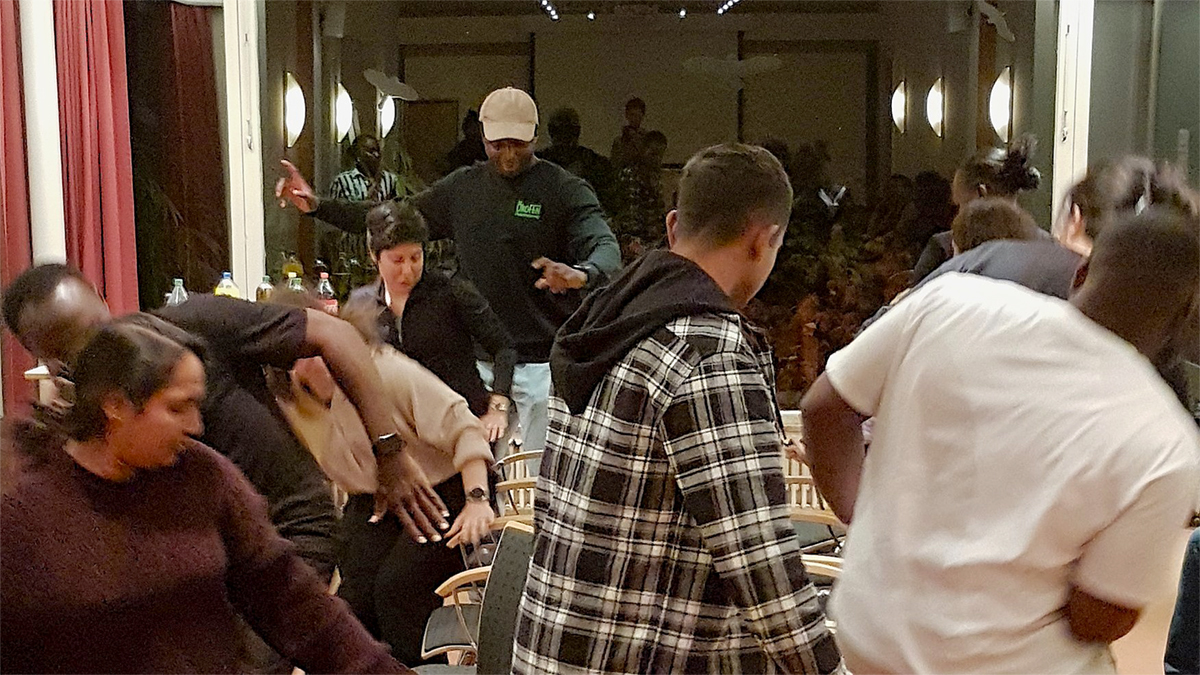
Thursday started with a fun energiser. We stood in a circle while one person stood in the middle and called out something like “everyone wearing black!” Everyone matching the description had to change places while the person in the middle tried to take one of the empty chairs. It was a simple game, but it definitely woke everyone up.

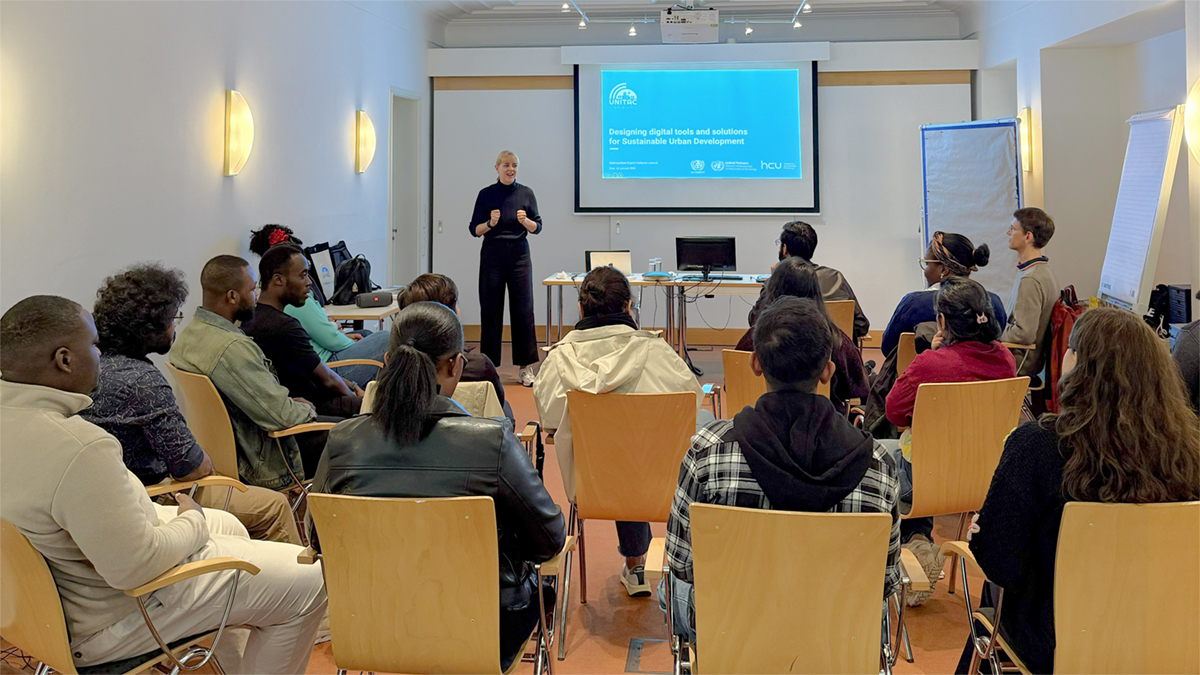
Afterwards, we took part in a workshop on global perspectives on sustainable cities with the City Science Lab at HafenCity Universität Hamburg.

This was where our perspective became much more global. We looked at different projects and digital tools designed to help cities deal with complex challenges. Among other things, we learned about projects connected to AI and urban planning in Central America and South Africa, improving water access for underserved communities in Hargeisa, creating more climate-resilient informal settlements in Namibia, and supporting inclusive and resilient urban recovery in Ukraine.

One tool that particularly caught my attention was the Digital Job Card, a web and mobile application that can work both online and offline. It can help local authorities digitally create and track “job cards” for urban services, such as water meter readings, electricity fault reports or building inspections.

I really enjoyed seeing how technology is already being used in very different parts of the world to address practical urban problems. At the same time, one important lesson for me was that technology alone is not the solution. A tool that works in one place may need to be adapted significantly to work somewhere else because cities have different infrastructures, resources, cultures and needs.

The workshop also introduced us to concepts such as design thinking, informal settlements, climate vulnerability and urban recovery. Interactive Mentimeter questions made the session more engaging and gave everyone opportunities to share their thoughts.

After lunch, we continued our exploration of Hamburg’s relationship with the past.

A green rooftop with a difficult past
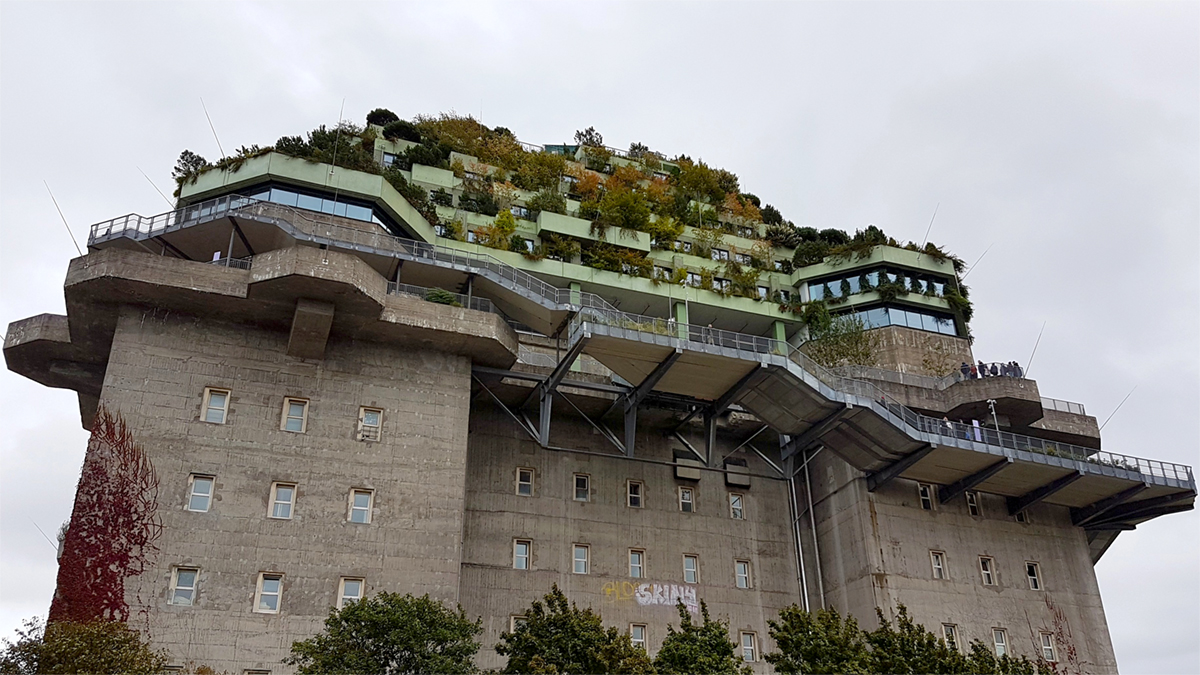
At Bunker St. Pauli, we learned about another former World War II bunker - but this time, the transformation was very different.

The bunker was built during World War II as a large anti-aircraft bunker and civilian shelter. Over the decades, the building had different uses, and today it has been transformed into a place that combines history, community and green space. We had a guided tour and learned more about the history of the building and its changing role over time.

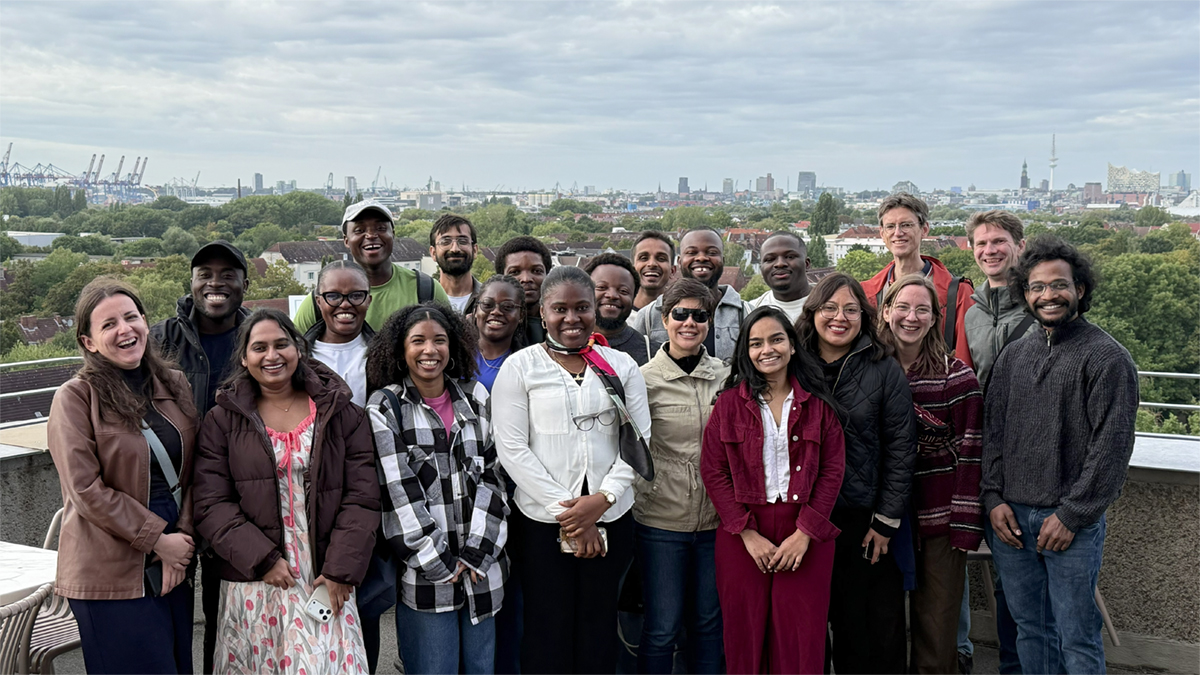
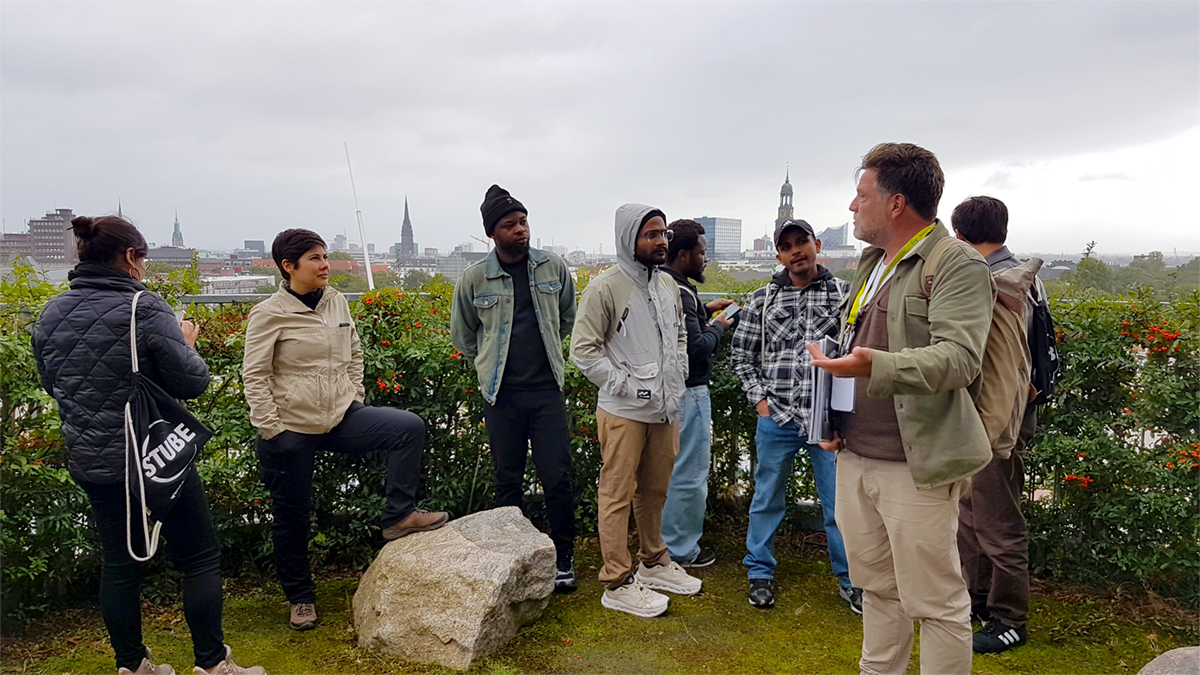
The highlight was going up to the rooftop, where the former bunker has been transformed into a public green space. Looking out over Hamburg from there, it was striking to think about the building’s difficult past and its very different role today.

For me, this was another reminder that sustainable urban development is not only about energy or environmental protection. It can also be social and historical. Sometimes sustainability means finding new ways to use what already exists rather than simply replacing it.

An evening of cultures
After returning to our accommodation, we had dinner before getting ready for our intercultural evening, which was organised by some of the students.

We shared snacks, played games, talked about our countries and cultures, learned interesting facts about one another and listened to music. Eventually, there was also dancing, which made the evening even more fun.

For me, this was an important part of the academy. The programme gave us a lot of knowledge, but getting to know the people behind that knowledge made the experience much more personal. We came from different places and had different experiences, but there was always something to talk about.

Putting everything into practice
Friday was already our last day in Hamburg. It was strange to think that only a few days earlier we had all been arriving and introducing ourselves, and now everyone would soon be travelling back to different parts of Germany.

Before leaving, we had one final group activity: “Sustainable urban development – Sharing experiences from different parts of the world.”

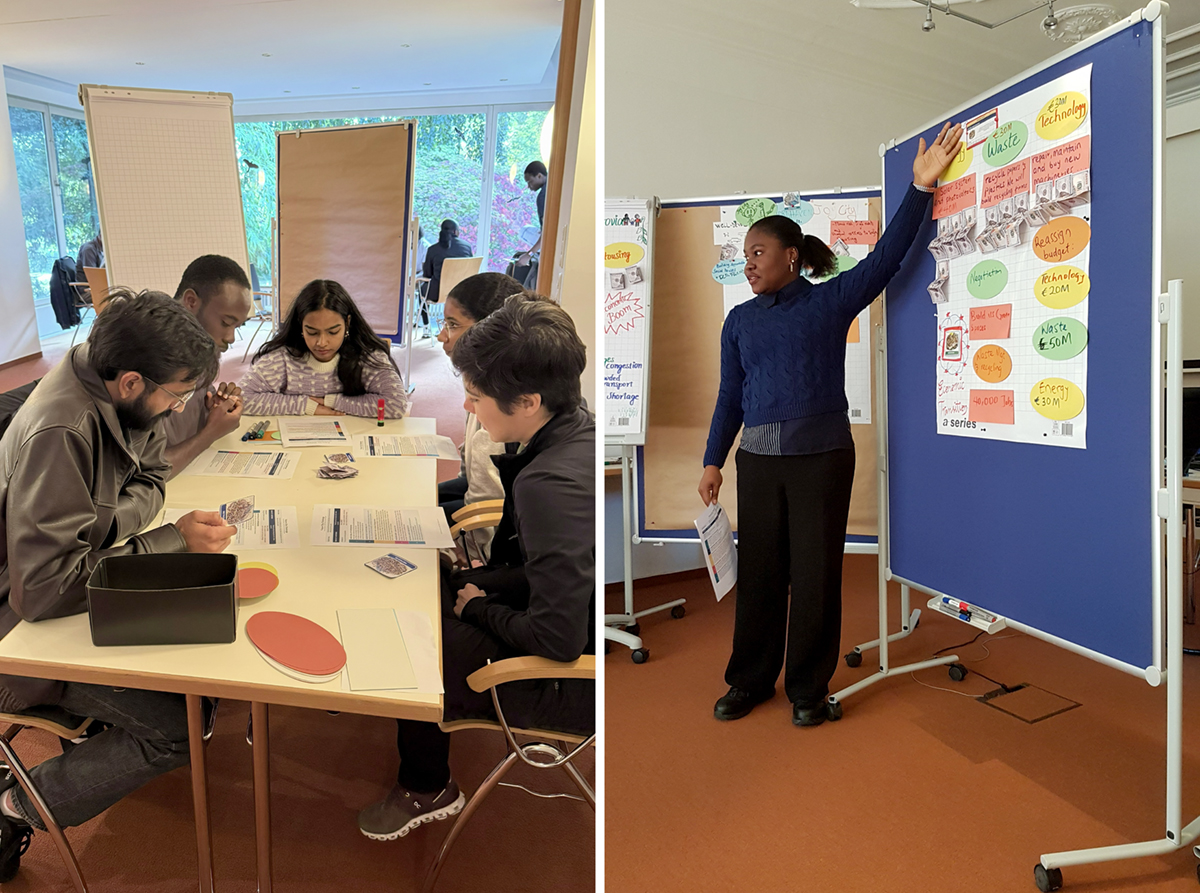
We were divided into four groups and each group became a team of “mayors” with a budget of €100,000. Each group received a scenario describing a city with particular challenges. My group was given a country with good potential for solar energy but serious problems with water scarcity, heatwaves and informal urban planning.

Our task was to decide how we would invest the money, connect the challenges to experiences from our own countries, develop a city plan and finally present our decisions and solutions to the rest of the group.

It was honestly super fun. At the same time, it made us realise how difficult urban planning can be. With limited resources, every decision means choosing what to prioritise, and different problems are often connected. You cannot simply solve one issue without thinking about how it affects the others.

One word to take home
Before the academy ended, we evaluated the week and shared one word that we wanted to take home with us.

There were many different answers: resilience, ideas, unity, sustainability, consideration, and especially connection.

That last word felt particularly fitting. Throughout the week, we connected different things: Hamburg’s history with its future, environmental protection with economic development, technology with local needs, and local experiences with global challenges.

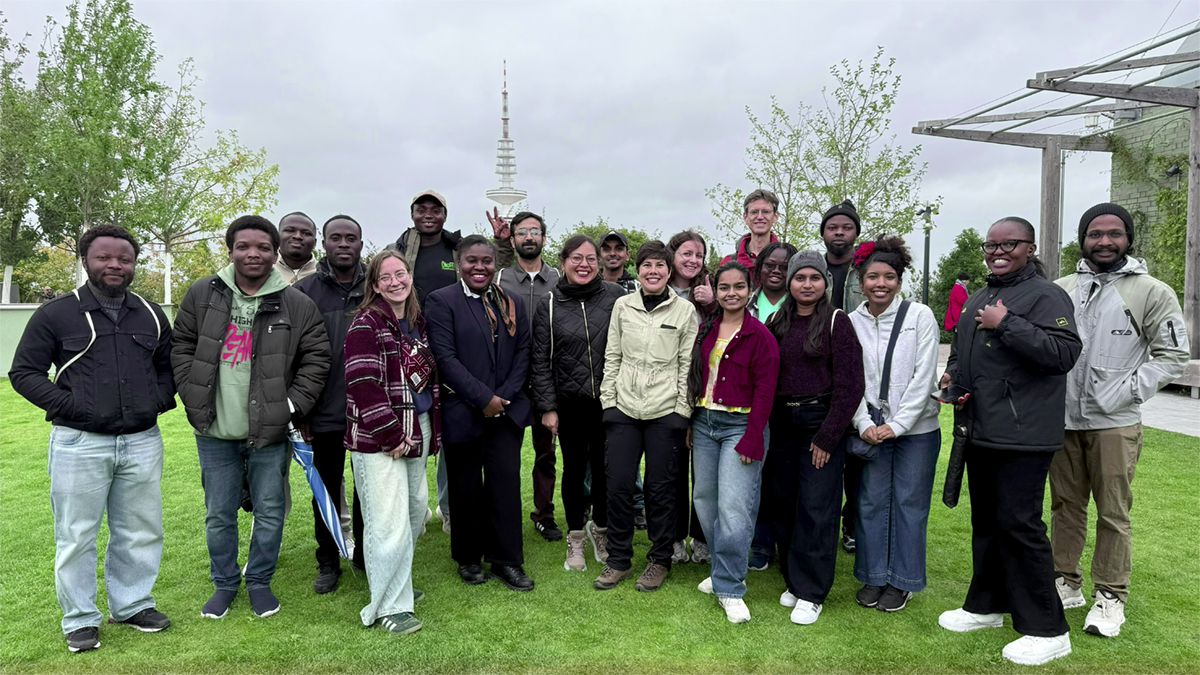
But perhaps most importantly, we connected with each other.

Goodbye, Hamburg
And then, suddenly, it was time to say goodbye.

Looking back, the academy was a mixture of learning, walking, good food, beautiful places, discussions, laughter and new friendships. We explored parts of Hamburg that I would probably never have discovered in the same way on an ordinary trip, and we were able to see sustainable urban development not just as a concept, but through real places and real projects.

Some participants even joked that the academy felt a little like a vacation, and I can understand why. We were learning all day, but we were also exploring Hamburg, spending time together and enjoying the city.

For me, the biggest takeaway was that the cities of the future will not be created through one single solution. They will require many different ideas, technologies, perspectives and people working together. And what works in one city or country may look completely different somewhere else.

If you have never taken part in a STUBE seminar before, I would definitely recommend giving it a try. It is a great opportunity not only to learn about important global topics, but also to meet people, exchange perspectives and experience something completely different from everyday university life.

I came to Hamburg to learn about sustainable cities. I left with new ideas, new connections and a much clearer sense of how closely our local and global futures are connected.

Arta Sadiku